Leather & Upholstery Craft: Conservation, Grain Matching & Structural Cushioning
Automotive leather must withstand high UV exposure, friction from occupants, and dramatic cabin temperature swings. Understanding leather chemistry is the secret to enduring restoration.
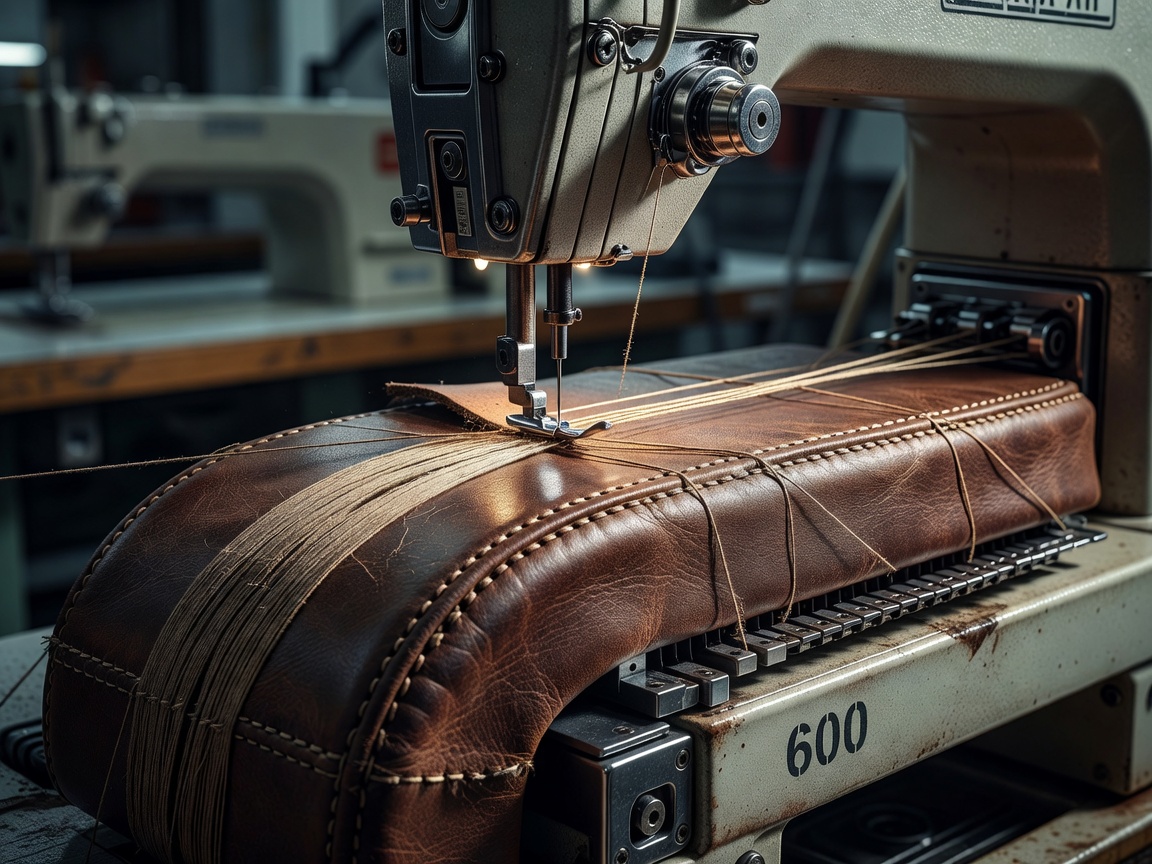
Understanding Automotive Leather Grades & Tannage
Automotive upholstery hides differ drastically from garment or fashion leather. In a closed cabin parked under summer sun, interior temperatures frequently exceed 60°C (140°F), followed by winter freezing. To survive, automotive hides are specially treated during tanning to resist moisture evaporation, UV chalking, and premature stiffness.
When evaluating a restoration project, determining the original hide tanning process is essential:
- Full Aniline: Colored solely with transparent dyes without protective pigmented topcoats. Highly soft and breathable with immense depth, but highly vulnerable to sun fading and moisture staining. Found on early bespoke coachbuilt vehicles.
- Semi-Aniline: Features a light pigmented surface coat over aniline dye, offering a balance of natural tactile grain and improved stain resistance. Common in high-end European touring saloons from the 1960s onward.
- Pigmented / Corrected Grain: Finished with a heavier opaque polyurethane topcoat, frequently stamped with a uniform grain pattern. Extremely durable and UV resistant, standard in many modern luxury vehicles.
- Connolly-Style Vaumol: A historic surface treatment characterized by a darker contrast color hand-rubbed into the lower grain depressions, producing a recognizable two-tone antique effect.
Diagnosing Common Leather Deterioration
Leather is an organic collagen matrix. When factory conditioning fats evaporate over decades, the collagen fibrils dry out and rub against each other, creating microscopic fractures that manifest as surface crazing.
| Observed Condition | Underlying Mechanism | Appropriate Intervention |
|---|---|---|
| Surface Micro-Crazing | Pigment layer micro-cracking while the core hide fibers remain pliable and strong. | Deep moisturizing fat-liquor treatment, gentle surface prep, and flexible micro-pigment re-dyeing. |
| Hard Cardboard Stiffness | Total loss of natural oils and moisture, leading to fiber collapse. | Slow conditioning in high-humidity chambers; if fibers are brittle, structural panel replacement is required. |
| Torn Seam Perforations | Stitch thread rot or needle holes pulling through weakened leather edges under occupant load. | Disassembly, sub-reinforcement with structural backing fabric, and re-stitching using UV-resistant bonded polyester. |
| Foam Core Collapse | Polyurethane foam oxidation causing yellow powdering and loss of seat bolster contours. | Stripping seat cover, carving high-density molded foam or hand-tying period horsehair pads. |
Re-Dyeing vs. Partial Panel Replacement vs. Full Retrim
Deciding the appropriate level of intervention requires pragmatic balance. A high-quality sympathetic re-dye preserves the authentic factory grain, original factory stitch holes, and historical character of the seat. The process involves removing old oxidized topcoats, neutralizing surface oils, applying flexible waterborne polyurethane color pigments, and sealing with cross-linked matte or satin topcoats.
However, re-dyeing cannot heal a structural leather tear across a high-friction driver’s bolster. In such situations, partial panel replacement is the preferred master technique. The artisan unpicks only the damaged bolster panel, sources a modern hide with identical grain pore structure, dye-matches it precisely to the neighboring aged passenger seats, and stitches it back into the original seat frame.
The Internal Cushioning Structure
A leather seat cover is only as good as what lies beneath it. In pre-1970 vehicles, seat bolstering relied on coiled spring cassettes tied with hemp cord, covered with rubberized coir (coconut fiber), curled horsehair, and cotton wadding. Installing modern dense polyurethane foam into a classic spring-seat will ruin the ride compliance and alter the seating height significantly.
Conversely, in late-model classics from the 1980s and 1990s, dual-density injected polyurethane foam provides the sharp, anatomical bolstering that defines sports seats. Restorers must rebuild these profiles using cold-cure high-resilience foam blocks shaped with pneumatic carbide rasps to replicate original factory ergonomics.
Good For / What to Know
Recommended Approach:
- Test cleaners on hidden lower flaps to verify finish colorfastness.
- Use bonded continuous-filament polyester thread (size V-69 to V-92) for longevity.
- Rebuild inner support foam to prevent future leather stretching and pooling.
Common Pitfalls to Avoid:
- Applying domestic shoe polishes or silicone oils that permanently prevent dye adhesion.
- Over-saturating delicate aniline hides with water-based cleaners.
- Ignoring broken seat-frame wire zig-zag springs before installing new leather.
Discuss Leather Matching & Re-Trimming
Our specialists can advise on hide grain types, period stitch counts, and conditioning regimens.
Start a Consultation